
Mimosa Hostilis Root Bark | Mimosa Hostilis
Mimosa Hostilis Root Bark, Mimosa Hostilis, Mimosa Hostilis Root Bark Canada The perennial tree Mimosa hostilis, also called Mimosa tenuiflora, is indigenous to South and Central America. For ages, its root bark has been prized in traditional medicine, spirituality, and handicrafts. It is still a multipurpose plant with both contemporary and cultural uses today.
What It Is |Mimosa Hostilis Root Bark Canada
- Mimosa tenuiflora is the botanical name (also known as Mimosa hostilis).
- Root bark (usually powdered or shredded) is a part used.
- Active ingredients: Packed with alkaloids, flavonoids, and tannins (including trace levels of N,N-DMT).
- Dark reddish-brown bark that is fibrous when shredded and finely powdered when processed is its appearance.
Mimosa Hostilis Root Bark | Traditional & Modern Uses
- Medicinal:
- Because of its antibacterial and regenerative qualities, indigenous peoples use it to treat burns, wounds, and skin infections.
- In traditional medicine, decoctions are applied topically or taken in small doses.
- Spiritual:
- Incorporated into shamanic rituals in South America.
- Sometimes used in preparations for entheogenic practices.
- Artisan & Practical:
- Natural leather and textile dye that yields rich browns and purples.
- Ingredient in soaps and cosmetics for its skin-soothing qualities.
Applications Overview
| Use Case | Benefit | Notes |
|---|---|---|
| Traditional medicine | Healing burns, wounds, skin infections | Antimicrobial and regenerative properties |
| Spiritual practices | Shamanic rituals, entheogenic use | Legally restricted in many countries |
| Textile dyeing | Deep natural colors | Popular among artisans |
| Cosmetics | Skin-soothing, anti-inflammatory | Found in soaps, creams |
Positive Benefits of Mimosa Hostilis Root Bark (MHRB)
For ages, Mimosa Hostilis Root Bark has been prized in traditional medicine, and its therapeutic, aesthetic, and useful uses draw attention today. Here are a few of its most noteworthy advantages:
Medicinal & Healing Properties
- Skin regeneration: Traditionally used to treat burns, wounds, and skin infections thanks to its antimicrobial and regenerative compounds.
- Antimicrobial effects: Contains tannins and flavonoids that help fight bacteria and fungi, supporting wound healing.
- Anti-inflammatory action: Can reduce swelling and irritation when applied topically.
- Pain relief: Folk medicine often used it to ease discomfort from injuries and skin conditions.
Cosmetic & Wellness Benefits
- Natural skincare ingredient: Found in soaps, creams, and shampoos for its soothing and rejuvenating effects.
- Anti-aging potential: Its antioxidants may help protect skin from oxidative stress.
- Hair care: Sometimes used to strengthen hair and improve scalp health
Practical & Artisan Uses
- Natural dye: Produces vibrant purples, reds, and browns, widely used in textile and leather dyeing.
- Eco-friendly alternative: Offers a sustainable option compared to synthetic dyes.
Cultural & Spiritual Significance
- Traditional rituals: Used in shamanic and healing ceremonies in Brazil and Mexico.
- Sacred brew (Jurema): Incorporated into spiritual practices for its symbolic and medicinal properties.
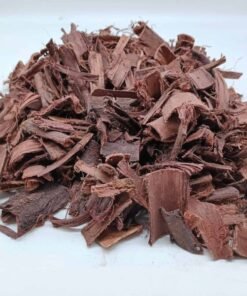
Mimosa Hostilis Root Bark
Price range: $250.00 through $700.00
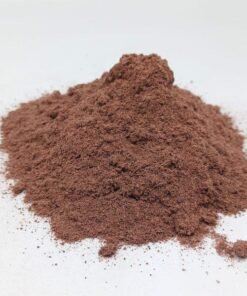
Mimosa Hostilis Root Bark
Price range: $200.00 through $1,700.00