Albino Penis Envy
Price range: $30.00 through $310.00
The Albino Penis Envy mushroom is a derivative of the Penis Envy (P.E.) which is one of the most potent Psilocybin cubensis strains. APE is often reported to be the strongest of the PE variants.
- Discreet Shipping
- Fast Shipping
- Lab-Verified Potency
Ape Mushroom | Ape Mushroom Dried | Buy Albino Penis Envy
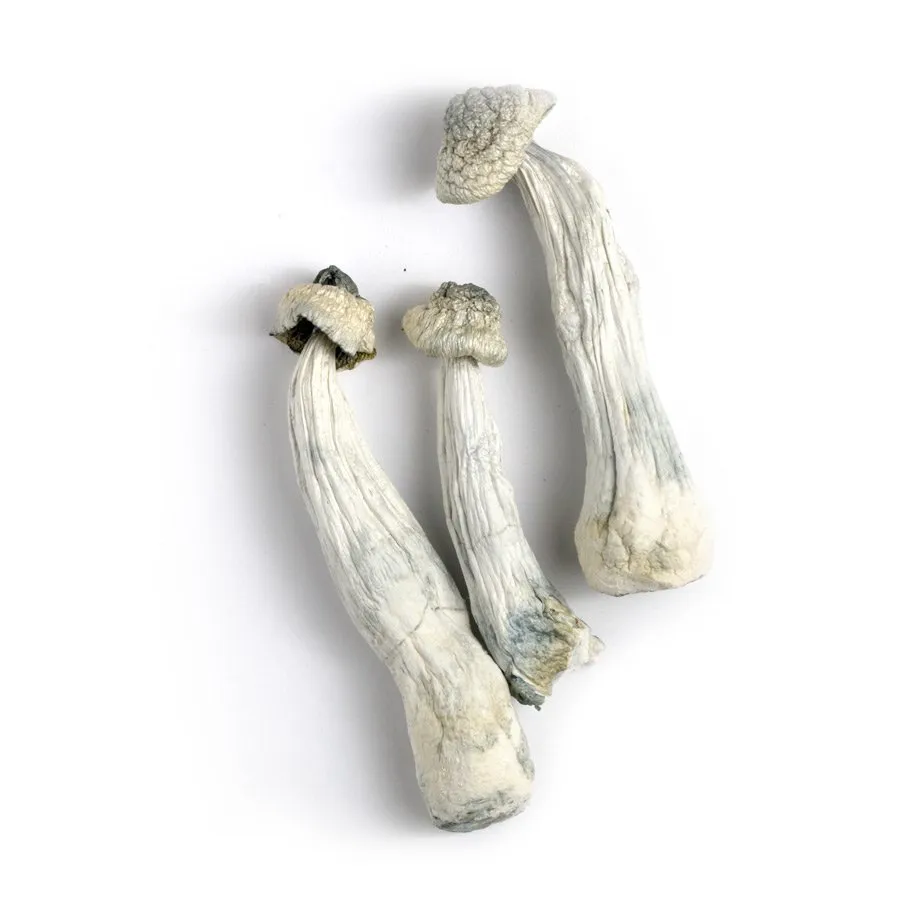
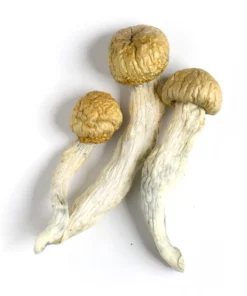
Ape Mushroom, Ape Mushroom Dried, Buy Albino Penis Envy is one of the rarest and most unique forms of the well-known hallucinogenic fungus, Psilocybe cubensis. It is a variation of the well-known Penis Envy strain, which is thought to be among the strongest and most unique varieties of P. cubensis. APE is distinguished by its remarkable appearance and distinct development traits, which have captivated both psychonauts and mycologists.
Ape Mushroom | Origins and Classification
APE is just penis envy with an albino mutation. The albino variety of Penis Envy arose later by selective culture, while the original strain is believed to have been found in South America, probably by ethnobotanist Terence McKenna. APE is ghostly white or pale cream in appearance due to its absence of pigmentation, which sets it apart from normal P. cubensis. A genetic defect that inhibits the production of typical mushroom colors is the cause of this lack of color.
Ape Mushroom Dried | Morphological Features
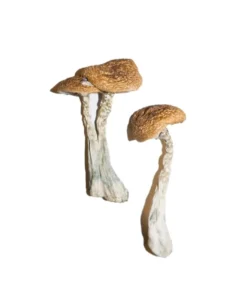
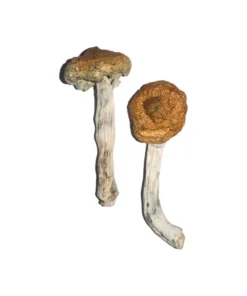
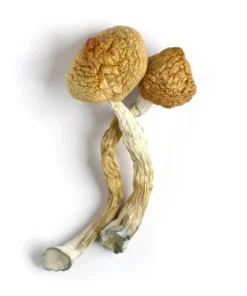
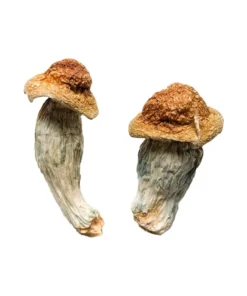
- Cap: Dome-shaped, pale, and slightly wider than the thick stem.
- Stem: Thick, dense, and phallic in appearance, consistent with the Penis Envy lineage.
- Spores: APE rarely produces spores because the veil often fails to separate from the cap underside. This makes propagation more challenging compared to other strains.
- Coloration: Pure white to cream, distinguishing it from the brownish hues of standard P. cubensis.
Potency and Effects
Many people consider Albino Penis Envy to be one of the strongest strains of P. cubensis. High levels of psilocybin and psilocin are thought to be responsible for its intoxicating effects. Users frequently report:
- Intense visual hallucinations
- Profound introspection and altered perception of time
- Strong emotional and spiritual experiences
APE is often not advised for novices due to its potency. Careful monitoring is crucial since even tiny doses can have significant consequences.
Cultivation Challenges
APE is notably harder to grow than other strains of P. cubensis. It is:
- Slow to colonize substrates
- Prone to contamination and mold growth
- More likely to abort during fruiting
- Less prolific in spore production, requiring cloning or tissue culture for reliable propagation
Its scarcity and high value among farmers and researchers are a result of these difficulties.
Relevance to Mycology
In addition to its strength, Albino Penis Envy is renowned for its distinct genetic makeup. Insights on fungal genetics, pigmentation, and reproductive biology can be gained from this intriguing example of mutation within the P. cubensis species. Because of its rarity and potency, it is a valued strain for aficionados and a useful specimen for researchers.
| Quantity | 3.5g, 7g, 14g, 28g, 56g |
|---|
Be the first to review “Albino Penis Envy”
Related products
ShroomsDeliveryCanada
ShroomsDeliveryCanada
ShroomsDeliveryCanada
ShroomsDeliveryCanada
ShroomsDeliveryCanada
ShroomsDeliveryCanada
ShroomsDeliveryCanada
ShroomsDeliveryCanada
ShroomsDeliveryCanada
ShroomsDeliveryCanada
ShroomsDeliveryCanada
ShroomsDeliveryCanada
ShroomsDeliveryCanada
ShroomsDeliveryCanada
ShroomsDeliveryCanada
ShroomsDeliveryCanada
Reviews
There are no reviews yet.