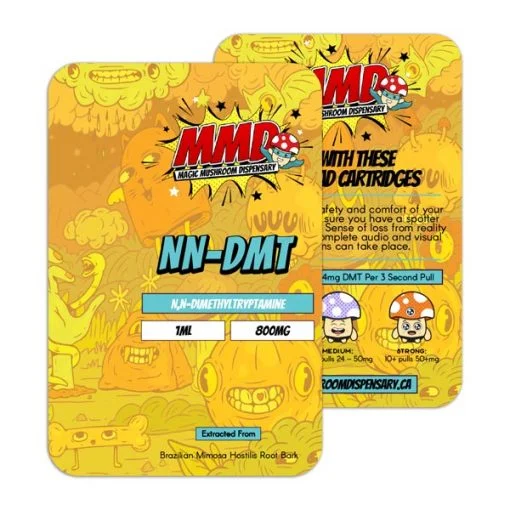


In medical terminology, DMT, also known as N, N-dimethyltryptamine, is a hallucinogenic tryptamine that has effects akin to those of psychedelics like psilocybin and LSD. DMT has been used for hundreds of years and is frequently connected to religious rites or behaviors. The main reason DMT is employed is because of its psychedelic, psychoactive effects.
The following side effects are frequently encountered when using DMT:
Euphoria
Floating feeling
Hallucinations, both visual and audible
Disassociation and depersonalization
Increased sensitivity (touch)
Epiphany or ‘life-changing experiences’
Spiritual wisdom
Though it has a lengthy, if not honorable, history, DMT has never been as widely discussed as its counterpart, despite its appeal. One of the most significant naturally occurring hallucinogenic substances, DMT is present in trace amounts in people and in many Amazonian plants, including ayahuasca. It is produced by the body’s normal metabolism from the necessary amino acid tryptophan. It has been shown that DMT differs from other traditional hallucinogens in that tolerance to its psychological effects does not develop.
Canadian scientist Richard Manske created DMT for the first time in 1921. In 1956, more research was done on its psychoactive qualities when it was found to be the active component of cohoba.
Be the first to review “NN-DMT(Cartridge) 1mL | 800MG | MMD Cosmo”
Related products
Buy Dimethyltryptamine
Dmt Canada

Dmt Canada

Deadhead Chemist Dmt

Dmt Canada
Buy Dimethyltryptamine
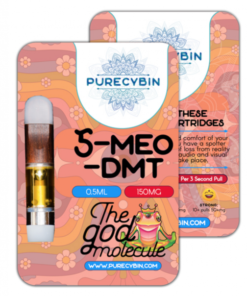
Dmt Canada
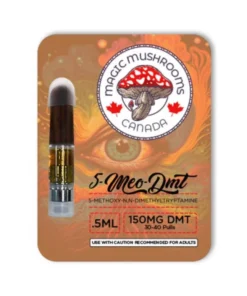
Deadhead Chemist Dmt
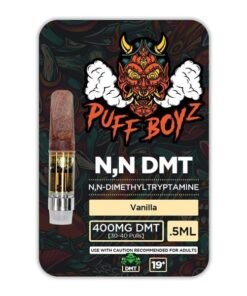
Buy Dimethyltryptamine
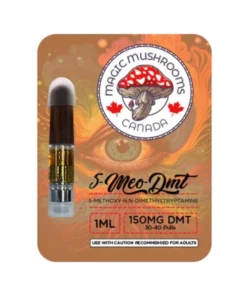
Deadhead Chemist Dmt
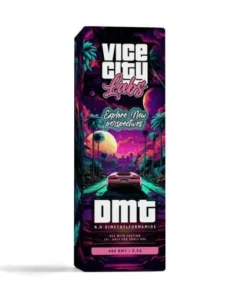
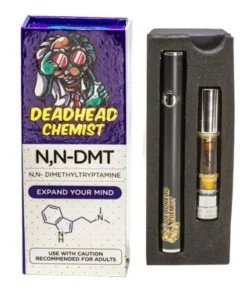
Buy Dimethyltryptamine

Deadhead Chemist Dmt

Dmt Canada
Reviews
There are no reviews yet.