Order Cocaine Online | Buy Bolivian Cocaine | Order Cocaine Canada
Order Cocaine Online, Buy Bolivian Cocaine, Order Cocaine Canada The refined product made from coca leaves grown in Bolivia, especially in areas like the Yungas and Chapare, is known as Bolivian cocaine. Although coca leaves have long been used for medicinal, tea, and chewing purposes, once they are processed into cocaine hydrochloride, the material turns into a potent stimulant and a drug that is illegally trafficked worldwide. Bolivia has long been the world’s third-largest producer of coca, behind Peru and Colombia.
Order Cocaine Online | Buy Bolivian Cocaine | Order Cocaine Canada | Purity
- High Purity Reputation: Bolivian cocaine is known for being incredibly pure; it usually surpasses 90% purity when in its hydrochloride form.
- This level of refinement is thought to be higher than that of many Peruvian or Colombian varieties, which may be tainted before being supplied to consumers.
- Market Appeal: Its high costs in international pharmaceutical markets due to its purity fuel demand in nations like the US, Canada, and Europe.
- Purity Levels: Purity can be higher than 80–90% at the source. To boost volume and earnings, it is commonly laced with chemicals like caffeine, lidocaine, or talcum powder after being smuggled overseas.
Order Cocaine Online | Buy Bolivian Cocaine | Characteristics
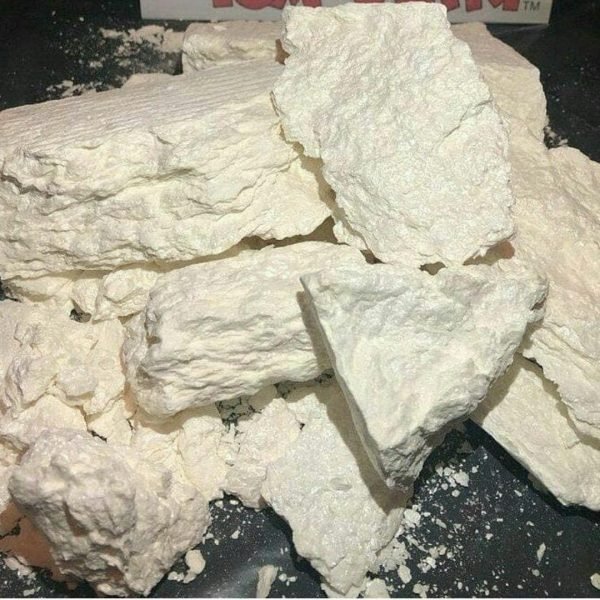
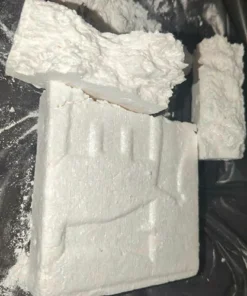
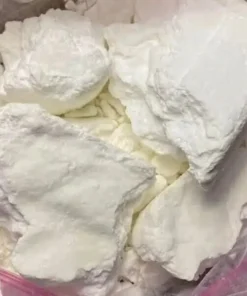
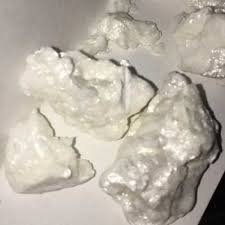
- Appearance: When completely refined, it usually takes the form of a white, crystalline powder.
- Chemical Nature: Cocaine hydrochloride is a stimulant that affects the central nervous system.
- Production: Derived from coca paste, which is processed with chemical solvents before crystallization.
- Effects: temporary elation, heightened vitality, heightened awareness, and diminished exhaustion. Dependency and health hazards can result from prolonged use.
Comparison of Cocaine Production in Bolivia, Colombia, and Peru
| Aspect | Bolivia | Colombia | Peru |
|---|---|---|---|
| Global Share | ~13% of global coca cultivation | ~61% of global coca cultivation (largest producer) | ~26% of global coca cultivation |
| Cultivation Areas | Yungas and Chapare regions. | Primarily in southern and central regions, including Nariño and Putumayo. | Central and eastern highlands, especially the Huallaga Valley. |
| Purity at Source | 80–90% before adulteration. | Often considered the highest purity, sometimes exceeding 90%. | Similar to Bolivia, typically 80–90% at source. |
| Street-Level Purity | Drops to 30–60% after trafficking and adulteration. | Also diluted heavily in consumer markets, especially in Europe and North America. | Comparable dilution levels once trafficked internationally. |
| Market Role | Major supplier to Brazil, Argentina, and Chile, then Europe. | Largest supplier globally, with direct routes to North America and Europe. | Strong presence in South American and European markets. |
| Economic Impact | Provides livelihoods for rural farmers; fuels illicit trade. | Major driver of organized crime and violence; deeply tied to cartels. | Similar dual role: rural survival vs. criminal networks. |
| Distinctive Feature | Balances legal coca cultivation for cultural use with international pressure. | Known for powerful cartels and large-scale trafficking networks. | Historically linked to “Shining Path” insurgency and rural conflict. |
| Quantity | 3.5g, 7g, 14g, 28g, 56g, 112g, 224g, 448g |
|---|
Be the first to review “Bolivian Cocaine”
Related products
Cocaine Canada
Price range: $150.00 through $12,800.00
Cocaine Canada
Price range: $150.00 through $12,800.00
Cocaine Canada
Price range: $150.00 through $12,800.00
Cocaine Canada
Price range: $150.00 through $12,800.00
Cocaine Canada
Price range: $150.00 through $12,800.00
Cocaine Canada
Price range: $150.00 through $12,800.00
Cocaine Canada
Price range: $145.00 through $10,500.00
Reviews
There are no reviews yet.